All 8 modules,
one clear path.
Every module is available online, self-paced, and designed to build the clinical knowledge and professional skills you need to get certified.
 01
01Introduction to Home Health Services
Modern healthcare practices and innovation in the home health industry.
Online module 02
02Home Health Care Settings
Scope and delivery of home health services across different care environments.
Online module 03
03Role & Responsibilities of the Home Health Aide
Essential skills and knowledge for HHA certification and professional practice.
Online module 04
04Scope of Practice & Professional Boundaries
Understanding what HHAs can and cannot do, and how to maintain professional standards.
Online module 05
05Ethics, Laws & Confidentiality (HIPAA)
Legal and ethical standards in home care, including patient privacy and HIPAA compliance.
Online module 06
06Client Rights & Advocacy
Protecting client rights, promoting dignity, and advocating for those in your care.
Online module 07
07Recognition & Reporting of Abuse and Neglect
Identifying signs of abuse or neglect and following proper reporting procedures.
Online module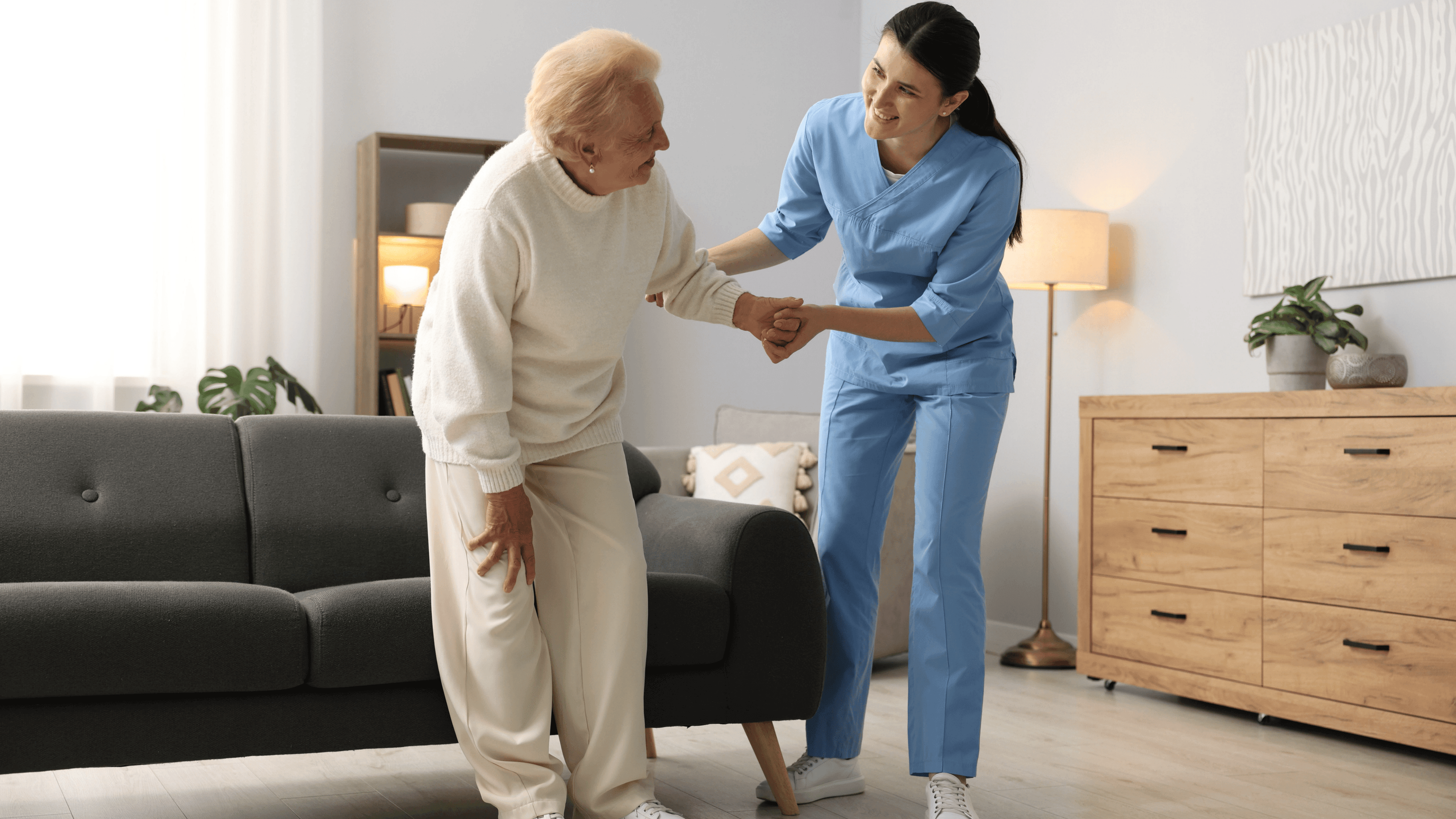 08
08Care Plans & Basic Documentation
Following individualized care plans and accurately documenting daily care and observations.
Online moduleClinical skills, built into every module.
16 hours of practical skills training grouped by care area — everything a certified HHA needs to know.
Personal Hygiene
Complete bathing, grooming, skin care, and infection control techniques for bedbound and mobile residents.
Oral Care
Routine oral hygiene, denture care, and safe oral care procedures for unconscious or non-responsive residents.
Dressing & Grooming
Proper techniques for dressing residents, including those with limited mobility or an affected limb.
Mobility & Transfers
Safe transfer techniques using a transfer belt, proper body mechanics, and resident positioning in bed.
Daily Care & Therapy
Feeding assistance, applying support stockings, bedpan use, and passive range of motion exercises.